Why Is Paint Peeling Off My Walls?
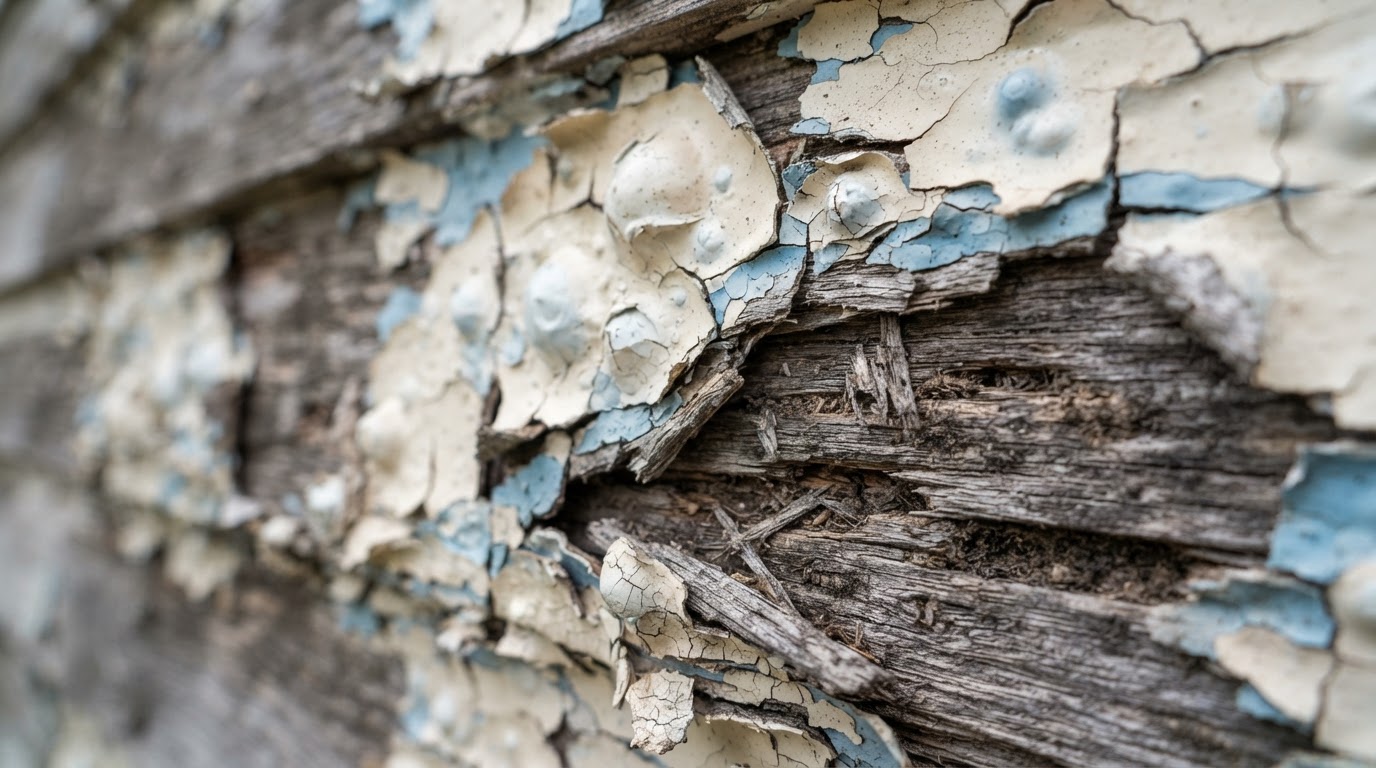
Peeling paint is a symptom, not the problem. To fix it permanently, you need to understand why it's happening. Here are the most common causes of paint peeling off walls — and what each one means.
When paint peels, it's telling you something went wrong with adhesion or moisture. Simply repainting over peeling paint won't fix it — the new paint will peel too. Understanding the cause is the first step to a lasting fix. Here are the common culprits.
Moisture
Moisture is the most common cause of paint failure. When water gets behind paint — from leaks, high humidity, condensation, or water wicking through exterior walls — it pushes the coating away from the surface, causing blistering and peeling. Bathrooms, kitchens, and exterior walls are common spots. If you don't fix the moisture source, repainting is temporary.
Poor Adhesion
Paint needs a clean, slightly roughened surface to bond. If the wall was dirty, glossy, or contaminated when painted, the coating never adhered properly and will peel. This is a preparation failure — the paint was applied over a surface it couldn't grip.
Contamination
Grease, wax, soap scum, or even cleaning residue on a wall prevents paint from bonding. Kitchens and bathrooms are especially prone to this. Painting over contamination means the paint sits on a film rather than the surface, and it peels as that film breaks down.
Dealing With Peeling Paint?
An experienced painter can identify the cause and fix it properly — not just cover it up. Get a free estimate from Paint the Town.
Inadequate Preparation
Skipping prep — not cleaning, not sanding glossy surfaces, not priming bare spots or repairs — is a leading cause of premature peeling. A paint job is only as durable as the preparation beneath it. This is why professional prep matters.
Incompatible Coatings
Painting certain coatings over others can cause failure. For example, applying some water-based paints directly over old oil-based paints without proper prep and primer can lead to poor adhesion and peeling. Knowing what's on the wall helps determine the right approach.
Painting Over Unstable Surfaces
If the old paint beneath was already loose or failing, painting over it just adds weight to a coating that wasn't attached. The new paint peels because it's bonded to something that's coming off. You have to remove the unstable paint first.
How to Fix Peeling Paint Properly
- 1Identify and fix the underlying cause — especially any moisture source
- 2Remove loose, peeling paint down to a sound surface
- 3Sand the edges and surface for adhesion
- 4Clean the surface thoroughly
- 5Repair any damage
- 6Prime bare spots and repairs as needed
- 7Repaint with quality paint
If moisture is the cause, fixing the leak or ventilation problem comes first — otherwise the new paint will peel again. An experienced painter can help diagnose the root cause and address it properly.
Frequently Asked Questions
Can I just paint over peeling paint?
No. New paint won't adhere to unstable paint and will peel too. You need to remove the loose paint, prep the surface, and address the underlying cause — especially moisture — before repainting.
How do I know if moisture is causing the peeling?
Peeling near bathrooms, kitchens, windows, or exterior walls often points to moisture. Bubbling or blistering (where paint lifts in bubbles) is a strong moisture sign. Investigate leaks, humidity, and ventilation.
Will primer stop paint from peeling?
Primer helps adhesion, but it won't fix peeling caused by moisture or unstable paint beneath. You have to remove the loose paint and fix the underlying cause first, then prime and repaint.