Can You Paint Over Old Paint?
The short answer is: sometimes. Painting over old paint can work, but only when the existing paint is sound and the surface is properly prepared. Here's when it's fine and when you need to do more first.
Painting over existing paint is common and often perfectly fine — but it's not automatic. The condition of the old paint and the surface beneath it determine whether you can simply recoat or whether you need to clean, sand, repair, or prime first. Here's how to decide.
When You Can Paint Over Old Paint
You can generally paint over old paint when:
- The existing paint is firmly adhered — no peeling, blistering, or flaking
- The surface is clean and free of grease, dirt, and contamination
- The old paint is compatible with the new paint (same general type)
- There's no significant damage or texture problem beneath
- The color change isn't so dramatic that it needs primer for coverage
In these cases, a light cleaning, light sanding to roughen the surface slightly (called scuff sanding), and a quality new paint can work well.
When You Need to Do More First
You should not simply paint over old paint when:
- The old paint is peeling, blistering, or flaking — new paint won't adhere to unstable paint
- There's visible damage, water stains, or soft spots — the cause needs addressing
- The surface is glossy and hasn't been sanded — new paint won't bond well
- There are layers of incompatible paint — some old oil paints don't bond well with water-based topcoats
- The surface is contaminated with grease, wax, or heavy grime
Not Sure What Your Walls Need?
An experienced painter can tell you whether your existing paint can be recoated or needs more prep. Get a free estimate from Paint the Town.
The Preparation Steps That Make It Last
Even when you can paint over old paint, proper prep dramatically improves the result:
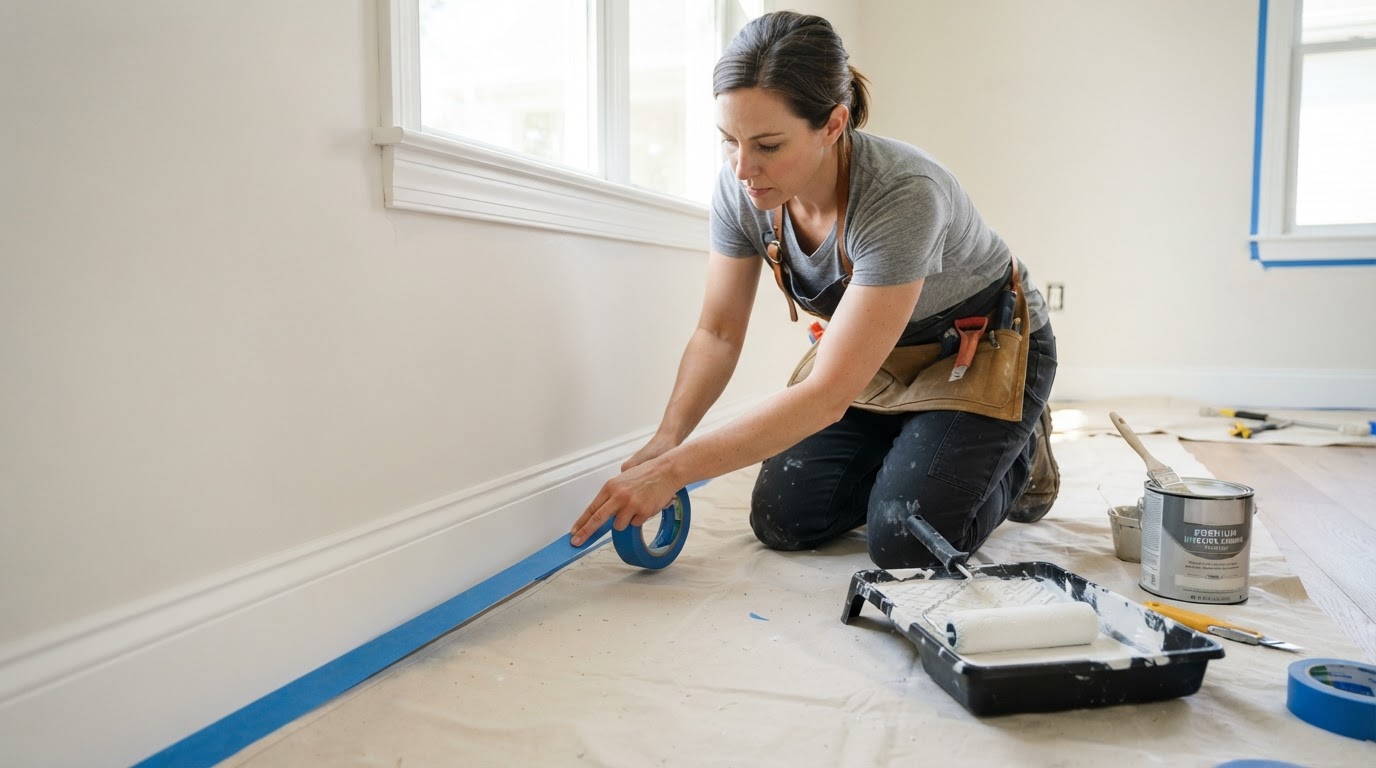
- Clean the surface to remove dirt, grease, and contaminants
- Scuff sand glossy or smooth areas so the new paint bonds
- Repair any damage — fill holes, patch cracks, fix drywall issues
- Spot prime any bare areas, repairs, or stains
- Caulk gaps where appropriate
Skipping these steps is how you get paint that peels within a year, even over otherwise sound old paint.
When Primer Is Needed
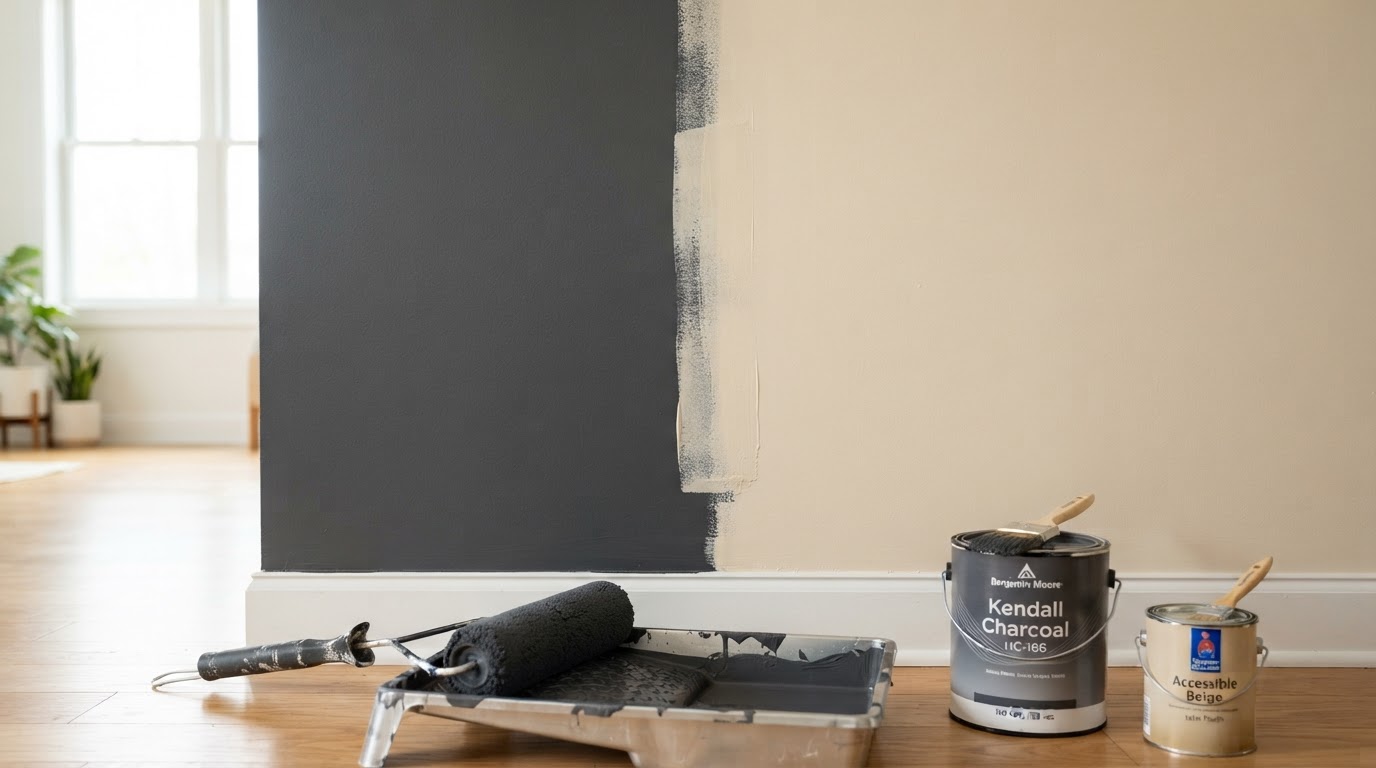
Primer isn't always necessary over old paint, but it is when you're covering repairs, bare spots, stains, or making a dramatic color change (like covering a dark color with a light one). Primer promotes adhesion and uniform coverage. A professional can tell you where primer belongs in your project.
The Bottom Line
Painting over old paint is fine when the old paint is sound and the surface is properly prepared. It's a problem when the old paint is failing or the surface is contaminated. The condition of what's underneath always determines what the topcoat will do.
Frequently Asked Questions
Do I always need to remove old paint first?
No. If the old paint is firmly adhered, clean, and compatible, you can recoat after light prep. You only need to remove paint that's peeling, blistering, or otherwise unstable.
Can I paint over glossy paint?
Yes, but you need to scuff sand the glossy surface first so the new paint bonds. Painting directly over gloss without sanding risks poor adhesion.
When do I need primer?
Primer is needed over repairs, bare spots, stains, and for dramatic color changes. Not every wall needs primer — a professional can tell you where it belongs.