What Is Included in Professional Exterior Painting?
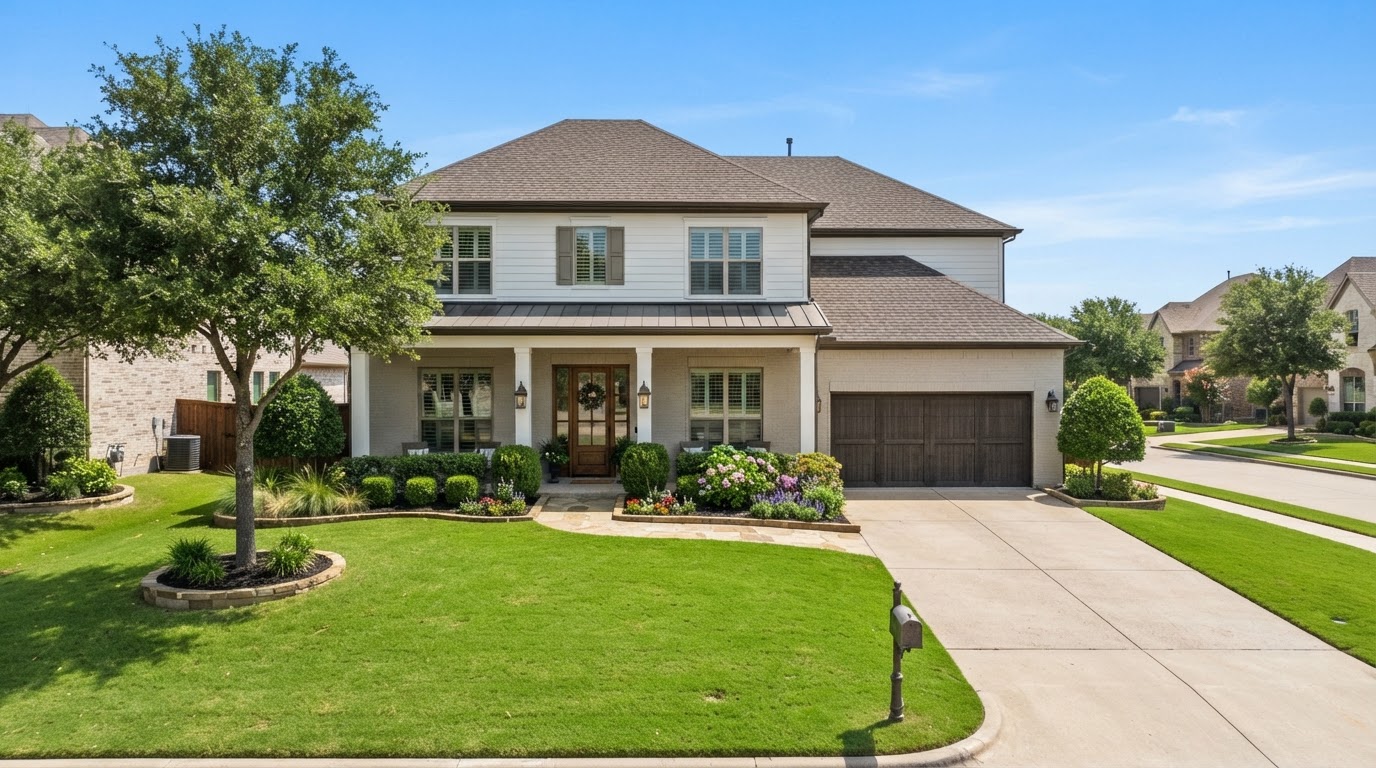
A professional exterior paint job is a multi-step process built around preparation. Washing, scraping, sanding, caulking, repairs, priming, and proper coatings — here's what a complete exterior project includes.
Exterior painting is really a preparation project that ends with paint. The longevity of the job depends almost entirely on what happens before the first coat. Here's what a complete professional exterior painting process includes.
Washing and Cleaning
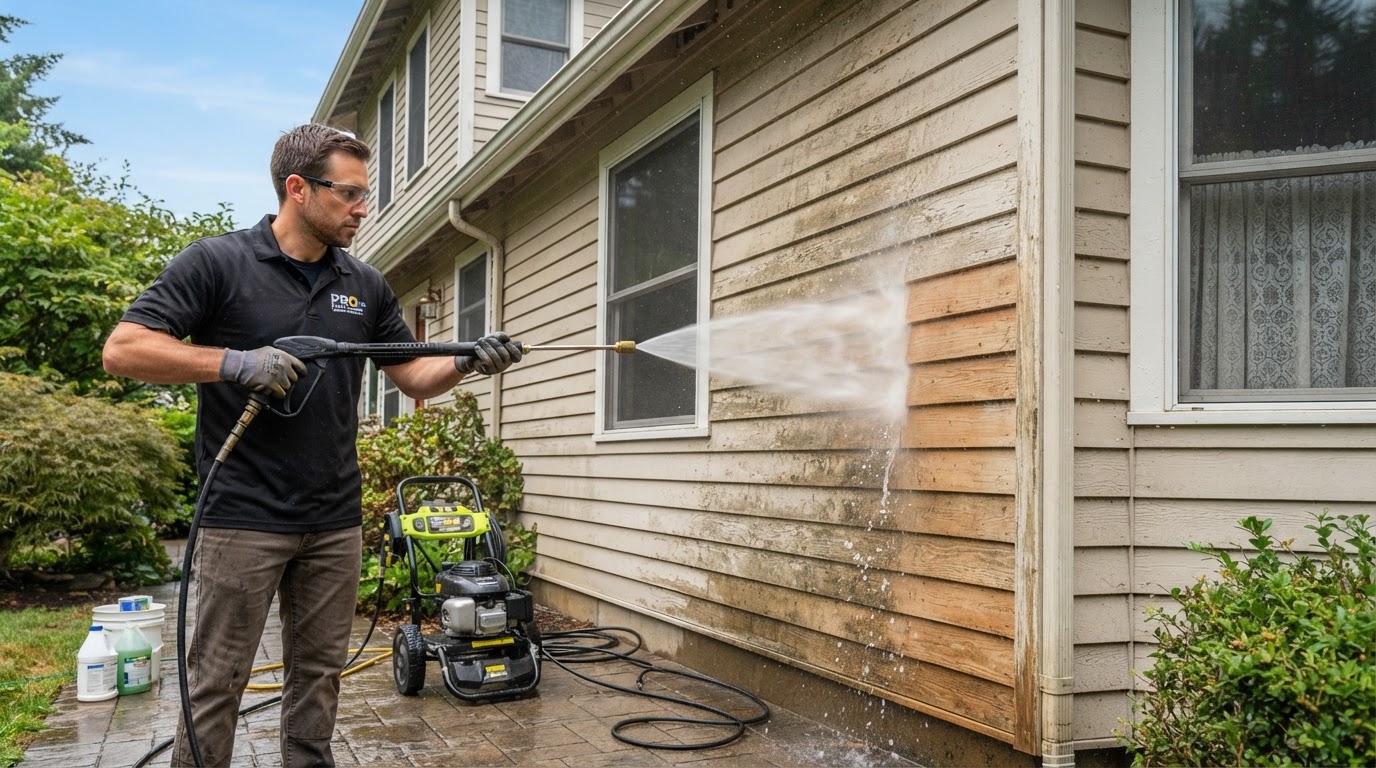
The surface must be clean for paint to adhere. A professional starts by washing the exterior to remove dirt, mildew, chalk, and loose material. The surface then needs to dry properly before any further work — painting over moisture or contamination leads to early failure.
Scraping and Sanding
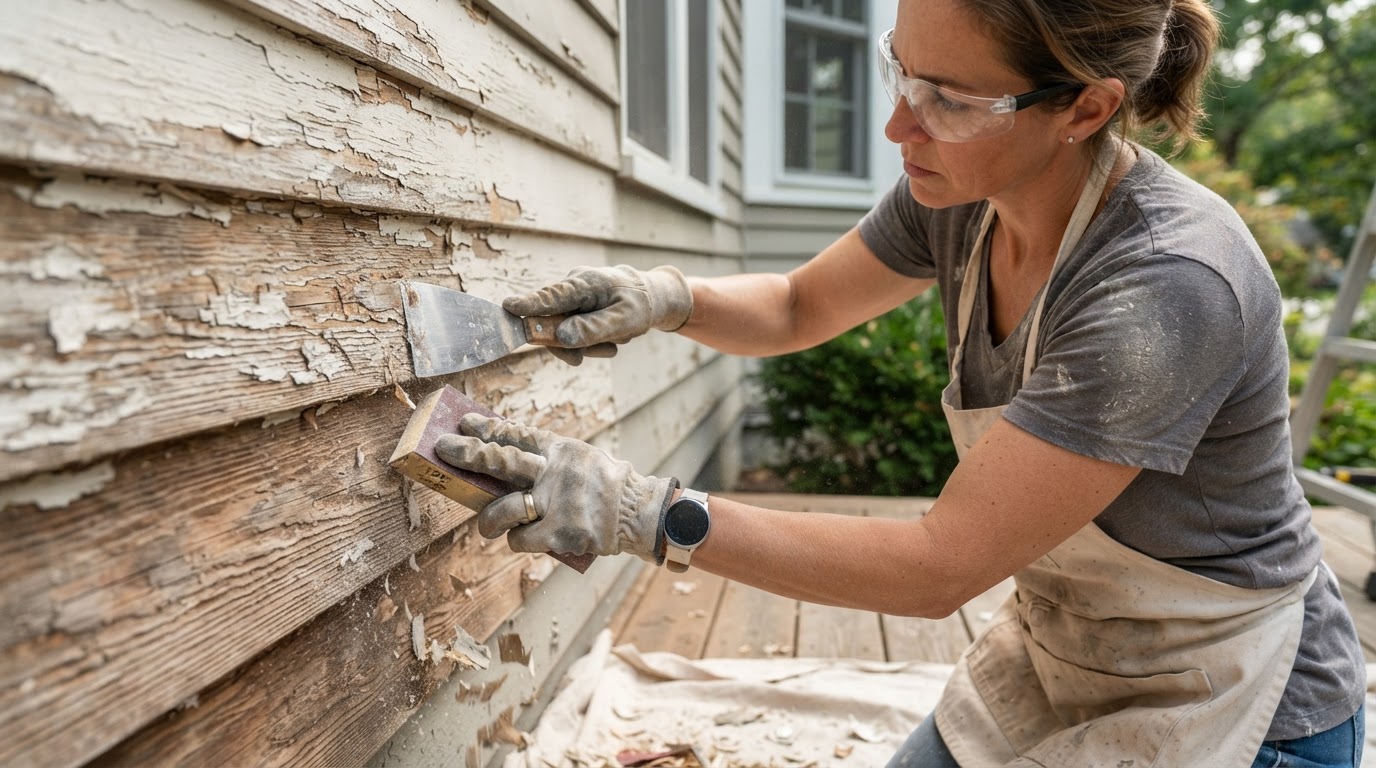
Loose, peeling, or flaking paint is scraped away and sanded to create a sound surface. Feathering the edges of remaining paint helps the new coating blend smoothly. This step is tedious but essential — painting over loose paint simply delays the problem.
Caulking
Gaps around windows, doors, trim, and joints are re-caulked to seal out moisture. Failed caulk is one of the most common ways water gets behind paint and siding, so this step protects both the paint and the structure beneath.
Planning an Exterior Project?
An experienced painter assesses your home's actual condition and explains what prep it needs. Get a free estimate from Paint the Town — 31 years of industry experience.
Repairs
Damaged wood, rotted trim, or deteriorated siding should be addressed before painting. Depending on the scope, repairs may be part of the painting project or handled separately — but they need to happen, because paint won't fix rot.
Priming
Bare wood, repaired areas, and certain substrates need primer to promote adhesion and uniform coverage. The right primer for the surface matters — wood, stucco, and masonry each have different requirements.
Proper Coatings and Application
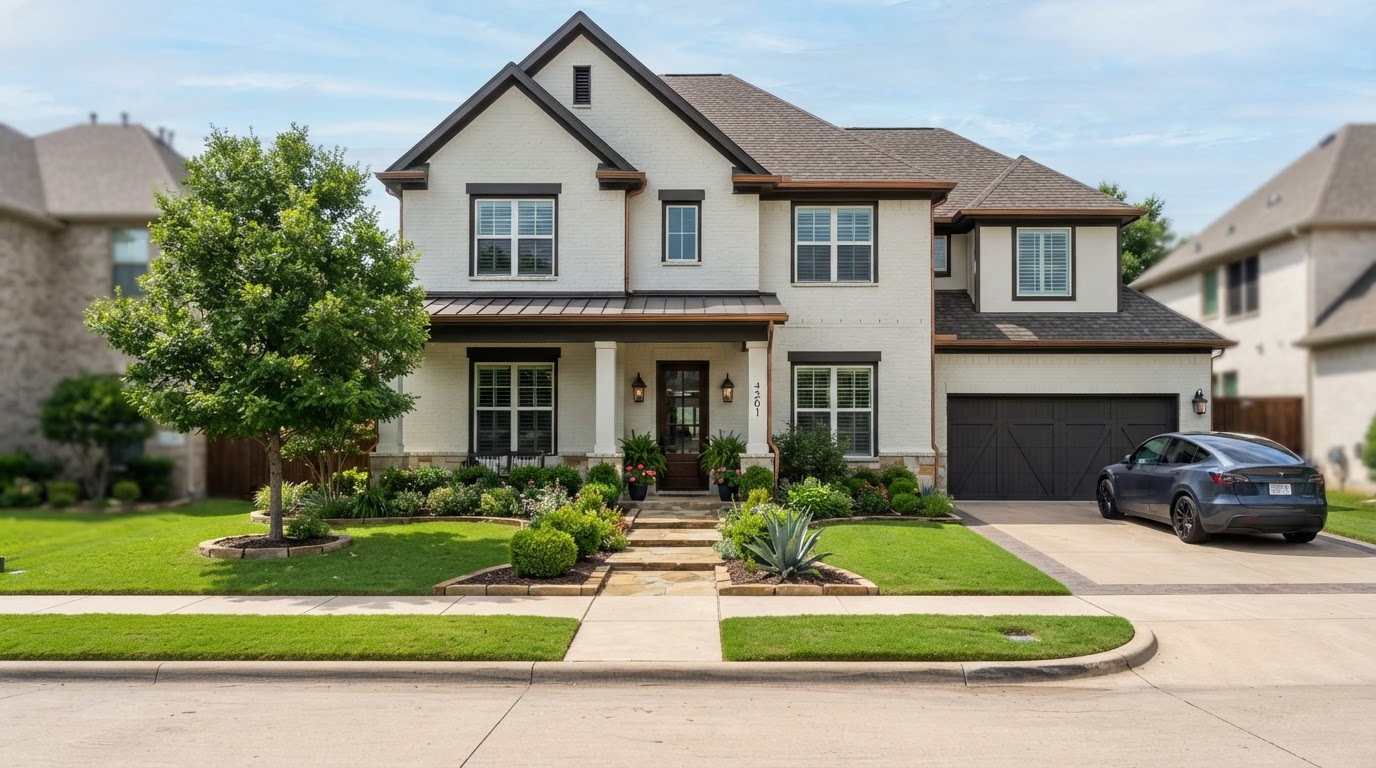
Quality exterior paint, applied in the appropriate number of coats, is what you see — but it's only as good as the prep beneath it. A professional uses coatings suited to your climate and siding, applied in suitable weather conditions.
Cleanup
A professional exterior job includes cleanup of equipment, removal of debris, and leaving your property tidy. Daily cleanup matters on exteriors because the work spans multiple days and weather windows.
Why the Process Matters
When you compare exterior estimates, compare the process, not just the price. A quote that skips washing, scraping, or priming will be cheaper — and fail sooner. Understanding what's included helps you choose a painter who does the work that makes it last.
Frequently Asked Questions
Why is prep so important on exteriors?
Because exterior paint fails from the surface outward. Painting over dirt, loose paint, or moisture means the new coating won't adhere and will peel prematurely. Prep is what makes the job last.
Do I need repairs before painting?
If there's rotted wood or damaged siding, yes — paint won't fix structural damage. Repairs may be part of the painting scope or handled separately, but they need to happen before painting.
How many coats does an exterior need?
Most exteriors need at least two coats for durability, plus primer on bare or repaired areas. The exact number depends on the surface, color change, and paint used.