How Often Should You Paint the Exterior of Your House?
There's no single answer to how often you should paint your house exterior — but there are clear factors that shorten or extend the life of your paint. Here's how to think about it, especially in a sun-heavy climate like Dallas-Fort Worth.
A common rule of thumb is that exterior paint lasts roughly 5 to 10 years, but that range is wide for good reason. The real answer depends on your home's materials, the quality of the last paint job, sun exposure, and how well the surface was prepared.
Factors That Affect Exterior Paint Lifespan
Previous Coating Quality and Preparation
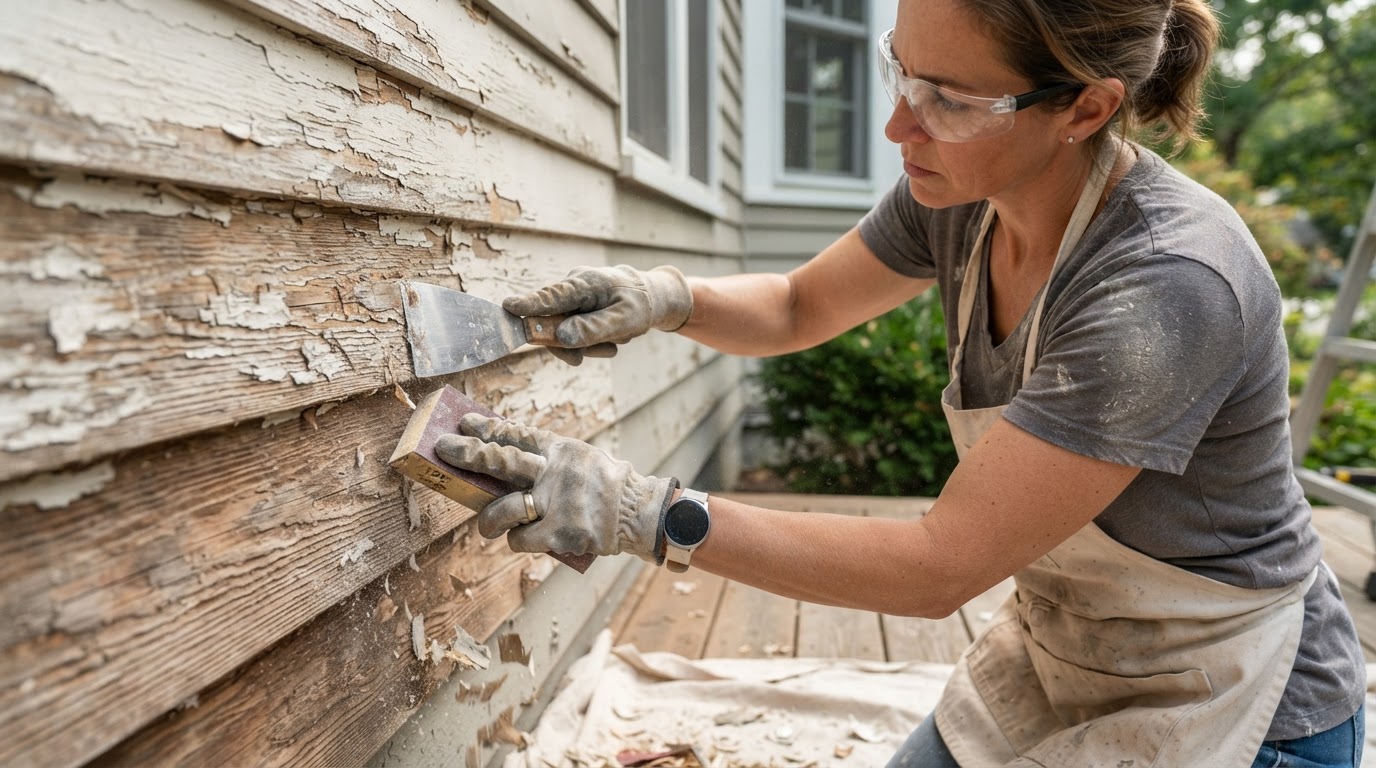
A paint job is only as durable as the prep beneath it. If the previous paint was applied over poorly cleaned or unstable surfaces, it will fail sooner regardless of the paint quality. Good preparation — washing, scraping, sanding, priming — extends the life of every coat that follows.
Surface Material
Different siding materials hold paint differently. Wood siding typically needs repainting more often than stucco or brick. Fiber cement siding holds paint well when properly prepped. The material underneath sets the baseline.
Sun and Weather Exposure
In the Dallas-Fort Worth area, intense sun is one of the biggest enemies of exterior paint. UV rays break down paint binders over time, causing fading and chalking. South- and west-facing walls often show wear first. Storms, humidity, and temperature swings also stress the coating.
Paint Quality
Higher-quality exterior paints include better UV resistance and flexibility, which helps the coating expand and contract with temperature changes. Premium paint costs more upfront but often adds years to the life of the job.
Not Sure If It's Time to Repaint?
An experienced painter can assess your home's exterior and tell you honestly whether it needs repainting now or has life left. Get a free assessment from Paint the Town.
Signs It's Time to Repaint
Rather than watching the calendar, watch your home. Common signs include:
- Fading — especially on sun-exposed walls
- Chalking — a powdery residue when you rub the surface
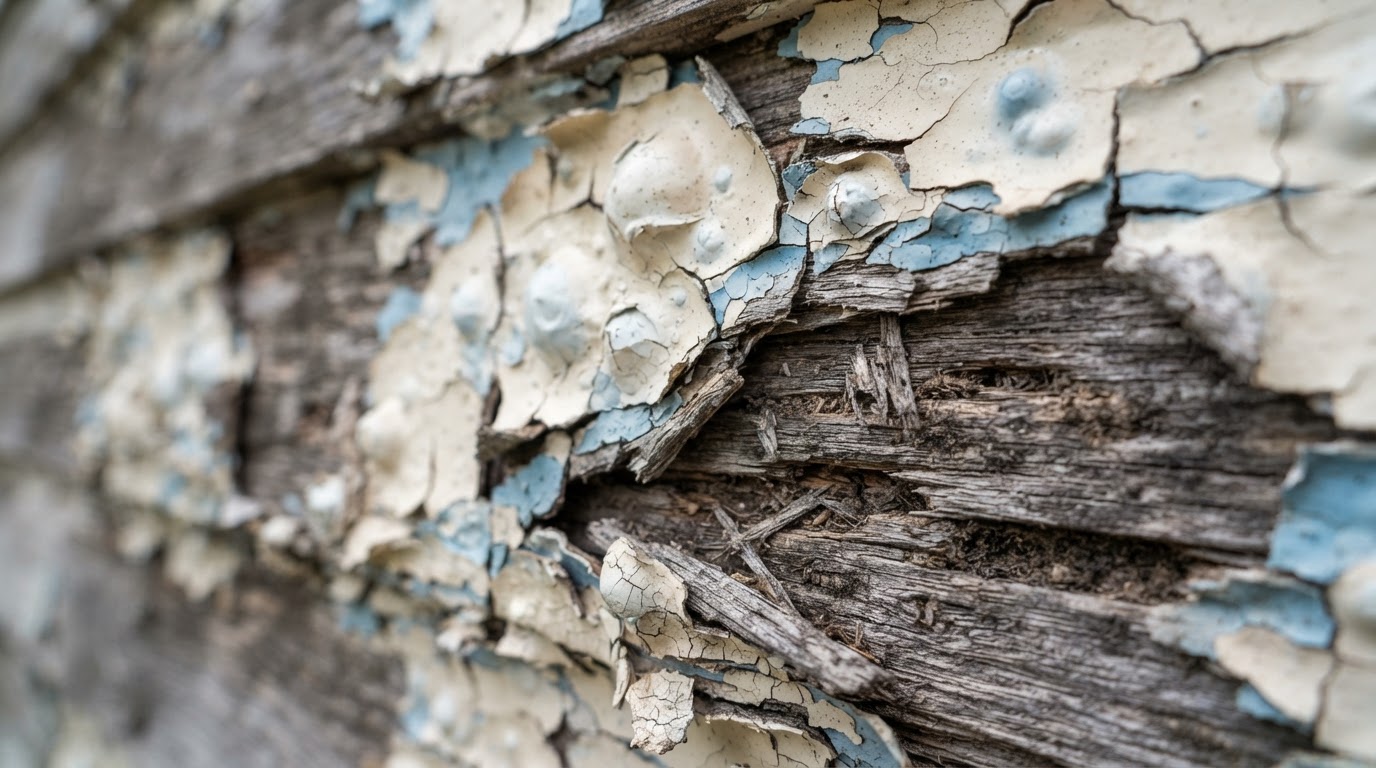
- Peeling, blistering, or flaking paint
- Cracking or alligatoring (small cracks that look like reptile skin)
- Exposed or bare wood
- Failed caulk around windows, doors, and trim
- Moisture stains or soft spots in siding
If you're seeing several of these, it's worth having a professional take a closer look. Catching it early prevents damage to the siding underneath.
A Practical Approach
Instead of guessing, inspect your exterior each year — especially after summer. Look at the sun-facing sides first. When you spot the warning signs above, it's time to start planning. Waiting too long turns a repaint into a repair project.
For homeowners in the DFW area, the combination of strong sun and seasonal storms makes proactive repainting especially important. A well-timed repaint protects your siding and trim from moisture damage that's far more expensive to fix than paint.
Frequently Asked Questions
How long does exterior paint last in Texas?
In a sun-heavy climate like DFW, expect roughly 5–8 years on average, depending on siding, prep, paint quality, and sun exposure. South- and west-facing walls often need attention first.
Can I just repaint the faded side of my house?
Sometimes partial repainting is possible, but matching weathered paint exactly is difficult. A professional can advise whether a full repaint or a targeted approach makes sense for your home.
What's the best time of year to paint an exterior in DFW?
Mild, dry weather is ideal. Spring and fall typically offer the best conditions, but experienced painters can work across a range of weather with the right planning.