Should You Paint Walls or Trim First?
The question of whether to paint walls or trim first has a common answer — but the truth is that professional workflows vary based on technique and the situation. Here's the direct answer and the reasoning behind it.
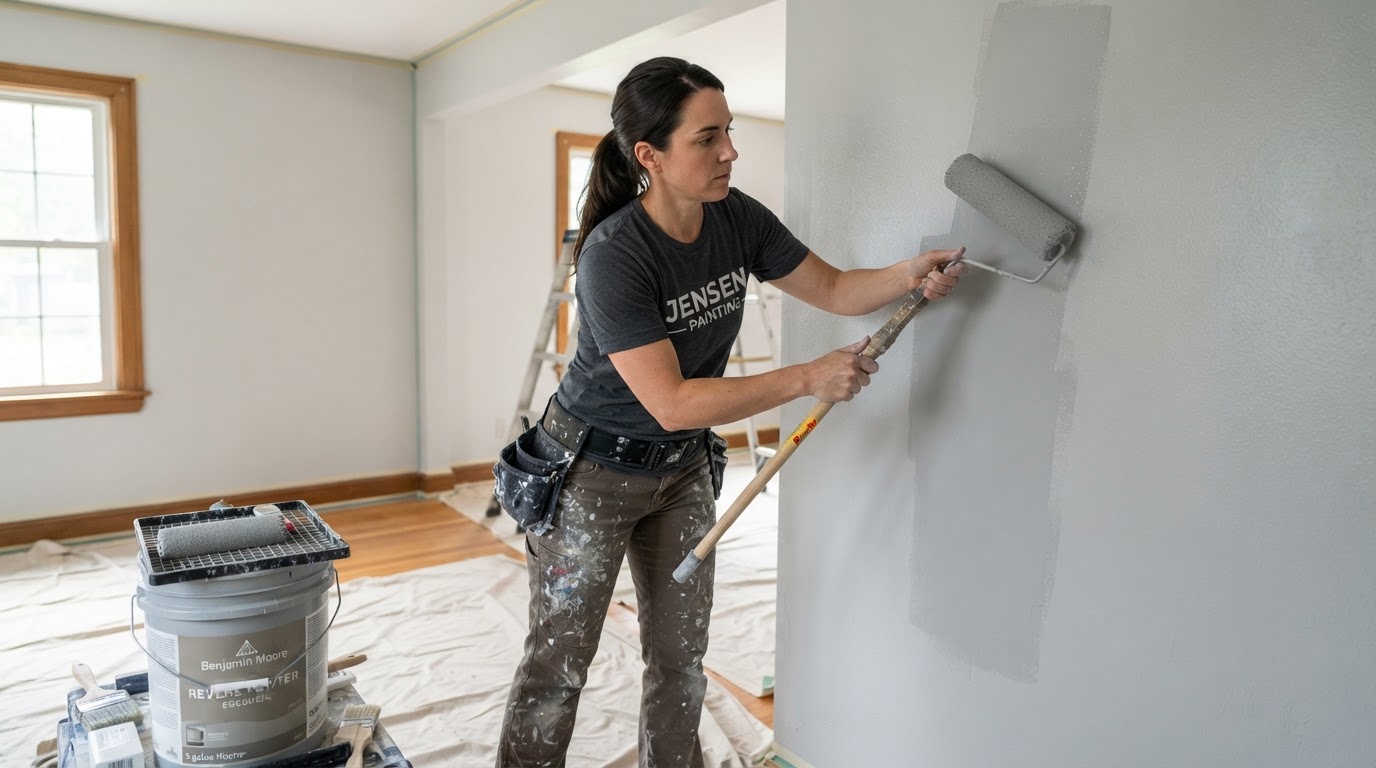
This is one of the most common questions homeowners ask about painting a room. There's a generally accepted approach, but it's worth understanding why professionals sometimes work differently — because the reasoning matters more than a rigid rule.
The Common Approach: Trim First
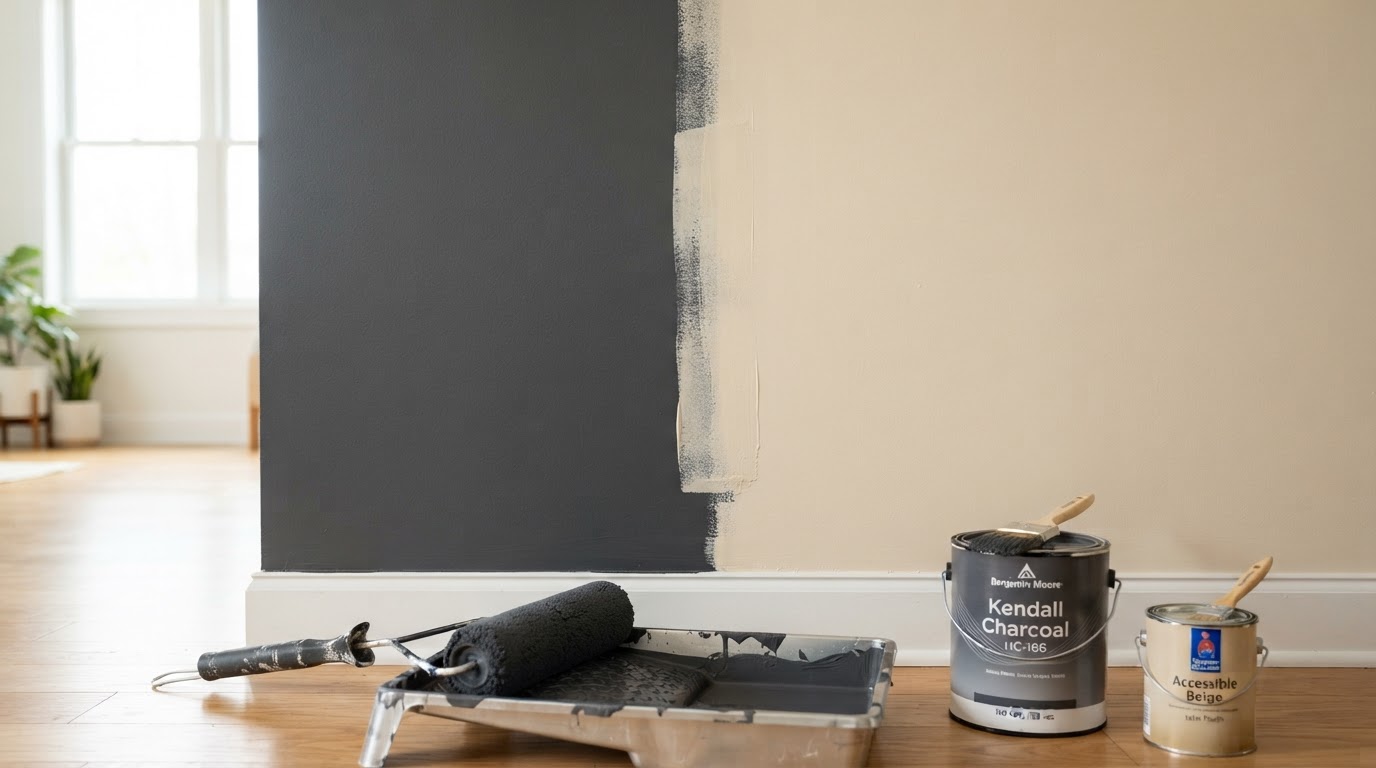
The widely recommended order is to paint trim, doors, and baseboards first, then the ceiling, then the walls. The logic is that it's easier to cut the wall color in along the edge of already-painted trim than to carefully paint trim up against a freshly finished wall. Any stray trim paint along the wall edge gets covered when the walls are rolled.
This approach reduces the stress of keeping a perfect line and lets the wall color clean up the edges.
Why Professionals Sometimes Vary
Experienced painters develop their own workflows based on the project, the colors, and their technique. Some prefer to paint walls first and tape off trim, then finish trim last for crisp lines. Others paint trim first as described above. The right approach depends on the painter's skill, the colors involved, and whether tape or freehand cutting is being used.
What matters isn't the exact order — it's that the painter has a consistent method that produces clean lines and even coverage.
Want a Clean, Professional Finish?
The order matters less than the experience behind it. Paint the Town brings 31 years of industry experience to every room. Request a free estimate.
What Actually Matters for a Clean Finish
- Consistent technique — cutting in clean lines, whether by hand or with tape
- Proper drying time between coats and between trim and walls
- Good-quality brushes for trim detail work
- Patience — rushing the detail work shows in the final result
The Takeaway
If you're painting yourself, the trim-first approach is a sensible default that makes edge cleanup easier. If you're hiring a professional, trust their established workflow — the sign of quality is clean lines and even coverage, however they get there. Decades of experience mean a painter has refined a method that works reliably.
Frequently Asked Questions
Do I have to tape everything off?
Not necessarily. Many professionals cut in clean lines by hand without tape. Tape is a tool some use and others don't — what matters is the quality of the final line.
What if I'm only repainting the walls, not the trim?
Then you'll protect the existing trim with tape or careful cutting in. The trim-first approach applies when you're painting both.
Does the order really matter?
The order affects efficiency and ease, but a skilled painter gets a clean result either way. What matters most is consistent technique and patience with the detail work.