How Much Does It Cost to Paint the Interior of a House?
If you're researching the cost to paint the interior of your house, you've probably noticed that numbers vary wildly online. That's because interior painting cost isn't one number — it's the result of several factors specific to your home, your surfaces, and the scope of work. Here's a practical breakdown of what actually drives the price.
The honest answer most homeowners are looking for is a range, but even ranges can mislead without context. Instead of quoting a single square-foot price, let's walk through the factors that determine what you'll actually pay — and why two homes of the same size can have very different estimates.
What Determines the Cost to Paint a House Interior?
Professional interior painters price based on the time, materials, and preparation a project requires. The biggest factors include:
- Square footage and number of rooms
- Ceiling height (vaulted ceilings take more time and equipment)
- Condition of the walls — repairs, patching, and texture work add labor
- Whether ceilings, trim, doors, and baseboards are included
- Color changes — going dark over light (or vice versa) often needs extra coats
- Wall texture and material (smooth drywall vs. plaster vs. paneled walls)
- Amount of furniture to move and protect
- Trim detail — extensive crown molding, wainscoting, or built-ins take longer
- Quality of paint and primer selected
Square Footage Is Only the Starting Point
Many homeowners start by asking for a per-square-foot price. It's a reasonable reference point, but it rarely tells the whole story. A 2,000-square-foot home with empty rooms, smooth walls, and a simple color refresh will cost very different from the same square footage packed with furniture, needing wall repairs, with a dramatic color change and ceilings included.
This is why reputable painters provide estimates based on actually walking the space rather than quoting a flat rate over the phone.
Preparation Is Where the Time Goes
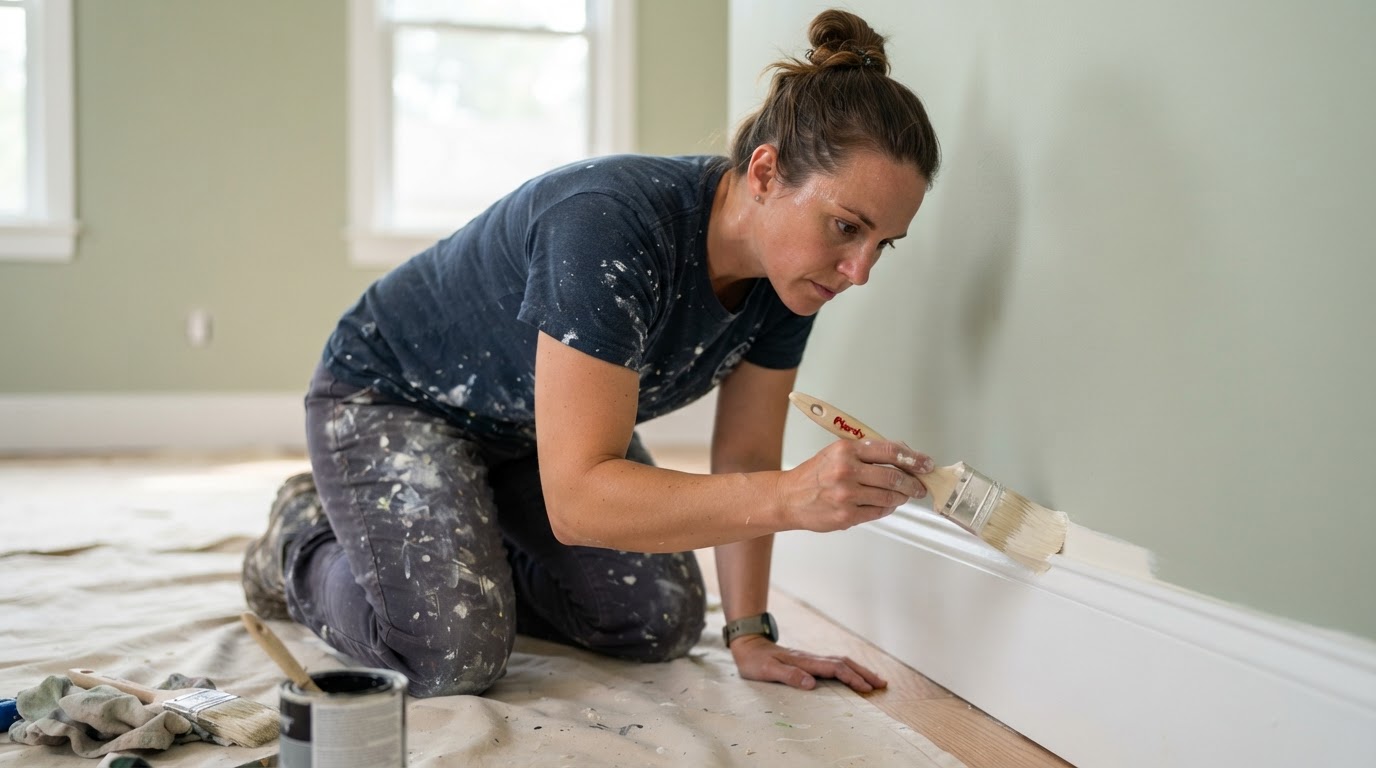
The quality difference between a good paint job and a poor one is usually in the preparation. Filling nail holes, repairing drywall damage, caulking gaps, sanding, and priming all take time — and that labor is reflected in the cost. Skipping prep is how you get a paint job that starts peeling or showing imperfections within a year.
Thinking About Painting Your Home?
Get a professional estimate from Paint the Town — an experienced painter who'll actually look at your space and give you straightforward numbers.
Ceilings, Trim, and Doors Add Up
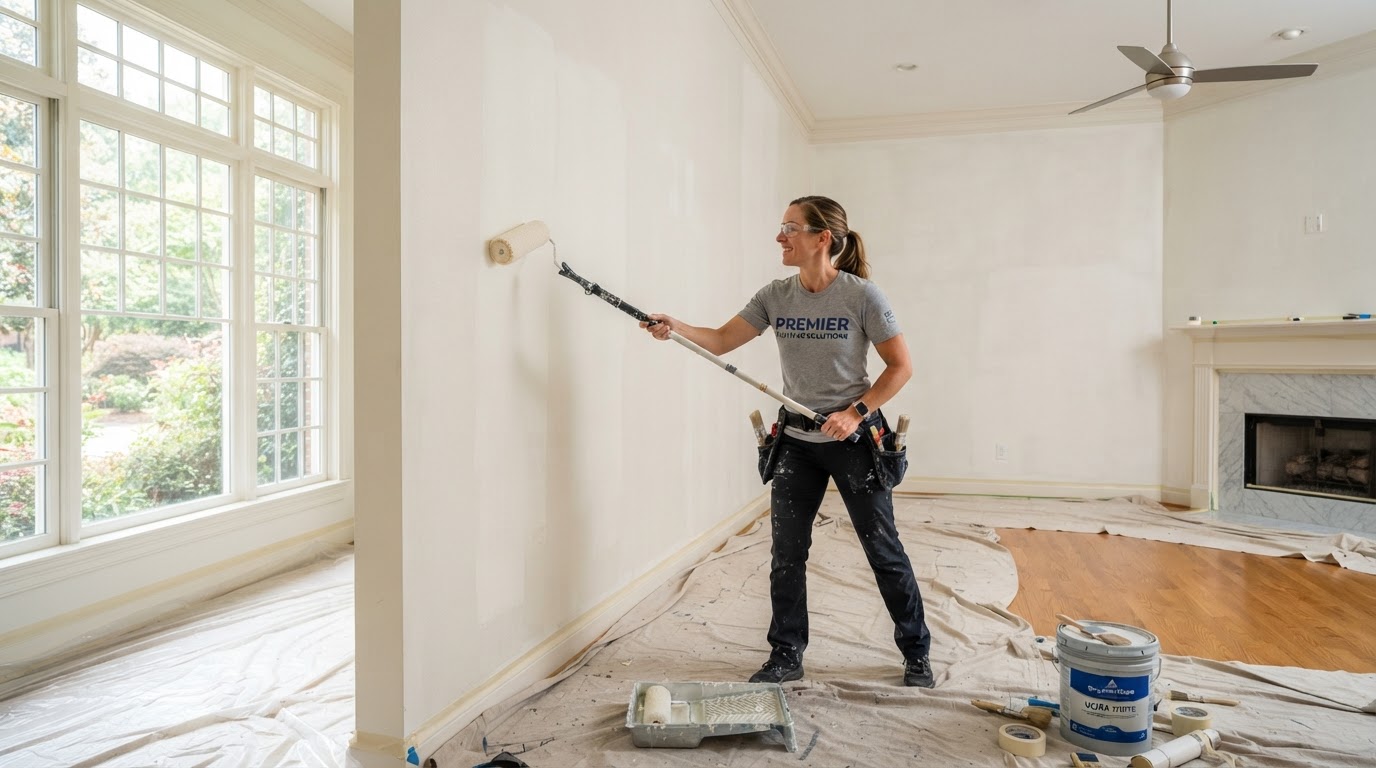
Painting walls alone is one scope. Adding ceilings, baseboards, door frames, and doors is a different project entirely. Ceilings require different tools, more masking, and careful handling of light fixtures. Trim work is detail-oriented and time-consuming. Be clear about what's included in any estimate you receive.
Color Changes and Number of Coats
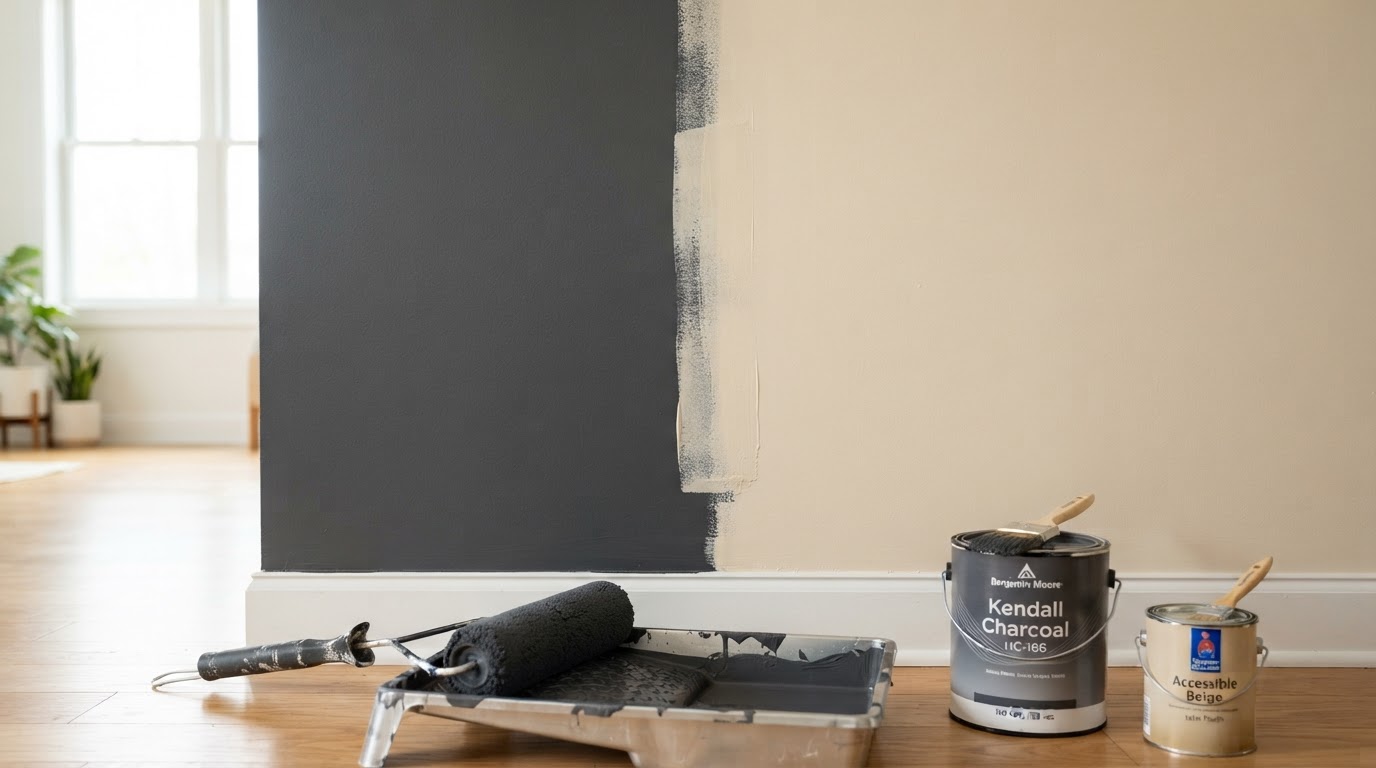
Repainting a white wall a slightly different white may take one coat. Painting over a bold red with a soft gray can require primer plus two or even three coats for full, even coverage. More coats mean more paint and more labor — both of which affect cost.
Paint Quality Matters
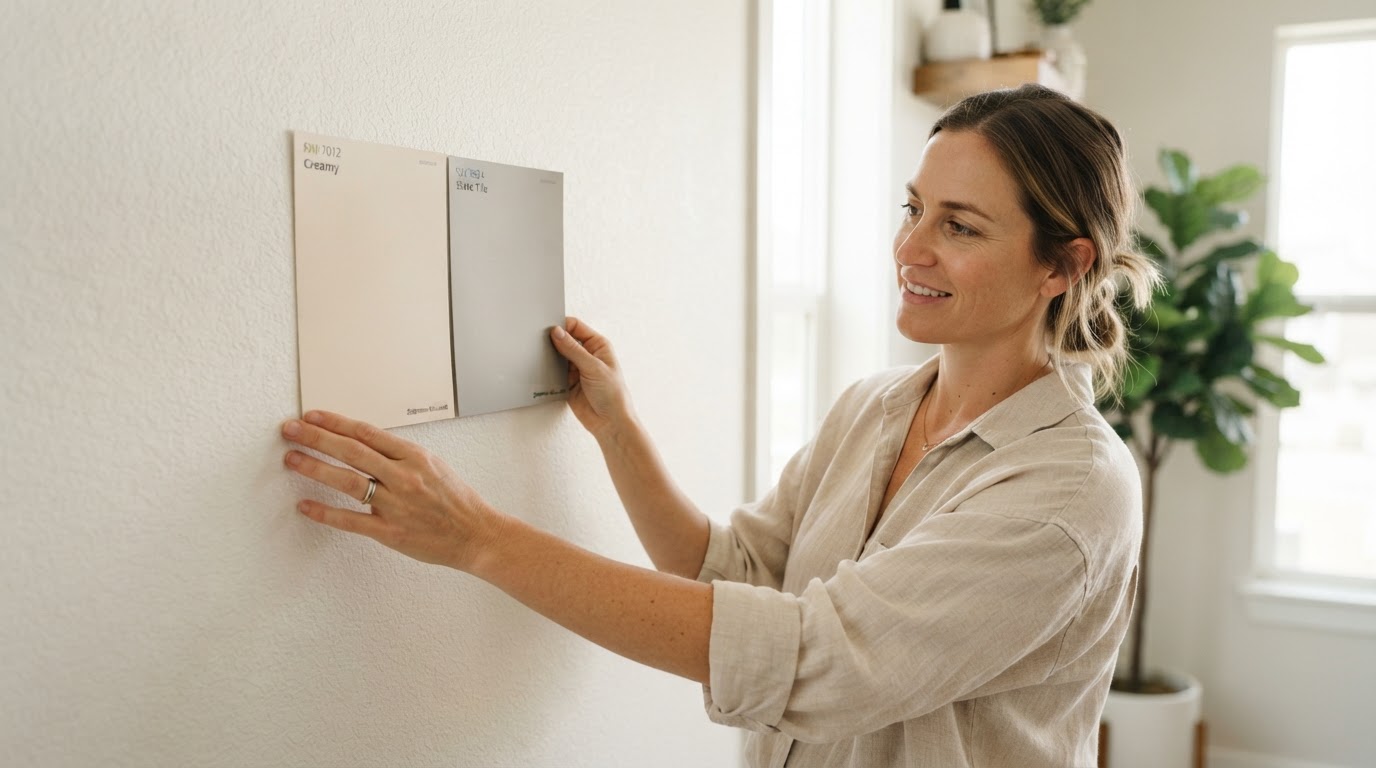
Higher-quality paints cost more per gallon but often cover better, last longer, and resist scrubbing and fading. A cheap paint may save money upfront and cost you in durability. A professional can help you balance budget and performance for each room.
How to Get an Accurate Interior Painting Estimate
- 1Make a list of every room and surface you want painted (walls, ceilings, trim, doors).
- 2Note the current colors and the colors you'd like to switch to.
- 3Point out any damage, stains, or repairs you're aware of.
- 4Ask whether furniture moving, patching, and priming are included.
- 5Get the estimate in writing with a clear scope of work.
The most accurate pricing always comes from an experienced painter who can see your home in person. That's why the best next step is to request an estimate rather than rely on a generic online calculator.
Frequently Asked Questions
Can you give me a price per square foot for interior painting?
Per-square-foot pricing is a rough reference, but it rarely reflects your actual project. Wall condition, color changes, ceilings, trim, and prep all change the price. An in-person estimate gives you a real number.
Why is one estimate much lower than another?
Big differences usually come down to scope and preparation. A lower estimate may skip prep, use cheaper paint, or exclude ceilings and trim. Compare what's actually included, not just the total.
Does Paint the Town publish pricing online?
No — because every home is different, pricing is provided through a free estimate after reviewing your specific project. Reach out to discuss what you have in mind.